Diet and Exercise While on GLP-1 Medications
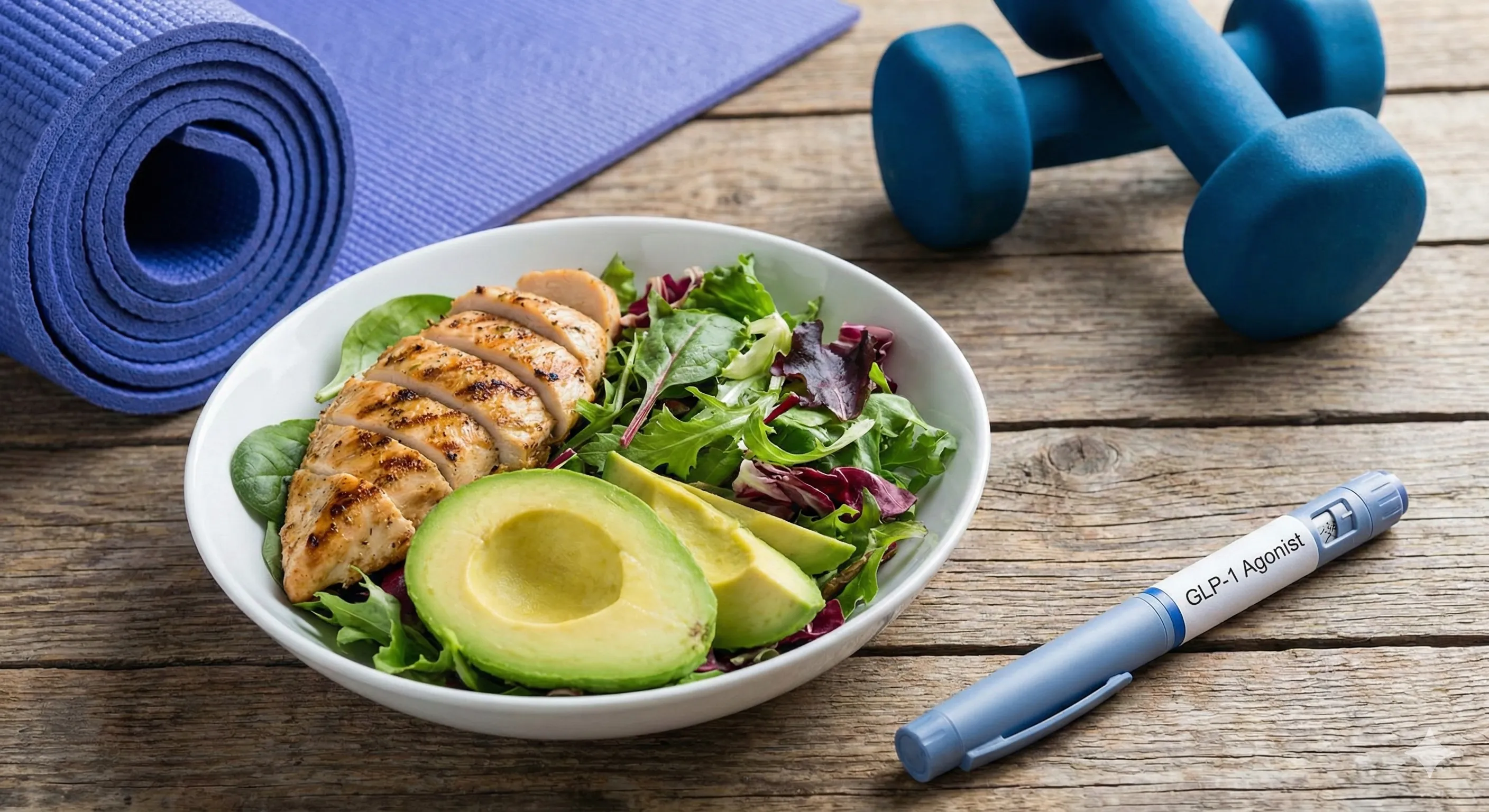
Table of Contents
Starting a GLP-1 medication marks a significant step in your weight loss journey, and pairing diet and exercise while on GLP-1 medications can help you maximise those benefits. You’ll already feel less hungry and more satisfied after meals thanks to your injection, but fine-tuning your nutrition and activity levels ensures you lose weight steadily, maintain lean mass, and boost overall wellbeing. This friendly guide walks you through everything from meal timing to workout ideas, side-effect management, and tracking tools—so you can confidently embrace life with GLP-1 support.
By understanding how these medications work and adjusting your habits accordingly, you’ll see better results, fewer plateaus, and a smoother journey toward your goals. Let’s dive in and explore practical tips you can start using today.
Understand GLP-1 Medications
Before overhauling your diet and exercise routine, it helps to know what GLP-1 medications do. These injectable therapies mimic the glucagon-like peptide-1 hormone, which slows stomach emptying, reduces appetite, and signals fullness to your brain. You might already be on Saxenda, Wegovy, Mounjaro, or another prescription—each option has its own dosing schedule and potency.
Here’s a quick comparison of the most common weight-loss GLP-1s available in the UK:
| Medication | Active Ingredient | Injection Frequency | Common Side Effects |
|---|---|---|---|
| Saxenda | Liraglutide | Daily | Nausea, headache |
| Wegovy | Semaglutide | Weekly | Constipation, reflux |
| Mounjaro | Tirzepatide | Weekly | Gastrointestinal upset |
Knowing which medication you’re taking helps you tailor your plan. If you’re curious about transitioning between injections, check our guide on how to switch from Saxenda to Mounjaro safely. And if you’re weighing the pros and cons of daily versus weekly dosing, see is Saxenda right for you? The daily injection explained.
Embrace Whole-Food Nutrition
GLP-1 medications work best when you fuel your body with nutrient-dense foods. Instead of processed snacks that spike your blood sugar and lead to cravings, focus on whole, minimally processed options that keep you satisfied longer.
Start by filling half your plate with non-starchy vegetables—broccoli, spinach, peppers, and carrots. These deliver fibre, vitamins, and colour without packing on calories. The remaining half can split between lean protein (chicken, fish, beans) and complex carbohydrates (sweet potatoes, quinoa, brown rice). Healthy fats like olive oil, avocado, and nuts round out your meals and support hormone balance.
When hunger strikes between meals, reach for:
- A small handful of raw almonds paired with an apple slice
- Greek yogurt topped with fresh berries
- Raw veggie sticks dipped in hummus
These snacks offer protein, fibre, and healthy fats to stabilize blood sugar and prevent overeating at the next meal.
Plan Balanced Meal Timing
One key to success is consistency in when and how much you eat. GLP-1 medications slow gastric emptying, which means you feel fuller for longer. If you’re not used to that sensation, you might accidentally under-fuel or overeat out of habit. Establishing a simple meal timing routine can help.
Aim for three balanced meals spaced roughly four to six hours apart, with one or two planned snacks if needed. For example:
- Breakfast at 8:00am – Veggie omelet with whole-grain toast
- Snack at 11:00am – Cottage cheese with sliced peach
- Lunch at 2:00pm – Grilled salmon salad with quinoa
- Snack at 5:00pm – Carrot sticks and almond butter
- Dinner at 8:00pm – Turkey chili with mixed greens
If you prefer intermittent fasting, discuss it with your healthcare provider. Some people find a 16:8 window—eating between noon and 8:00pm—aligns well with daily dosing of long-acting GLP-1s. However, don’t force yourself to skip meals if you feel dizzy or lightheaded; your medication already reduces appetite, so you may need smaller, nutrient-packed meals rather than long fasts.
Include Regular Physical Activity
Exercise complements your medication by boosting energy expenditure, preserving lean muscle, and improving mood. You don’t need to train like an athlete—in fact, moderate, consistent workouts often yield the best long-term adherence.
Combine Cardio and Strength
A balanced exercise routine blends cardiovascular workouts with strength training. Cardio options include brisk walking, cycling, swimming, or dance classes—pick something you enjoy. Aim for at least 150 minutes of moderate cardio per week, which could look like five 30-minute walks.
Strength training helps you maintain muscle mass as you lose weight. Two to three sessions per week are ideal. Focus on full-body moves like squats, push-ups, and bent-over rows. If you’re new to weights, start with bodyweight exercises or light dumbbells and gradually increase resistance.
Build Your Routine
Consistency is more important than intensity. Schedule workouts like appointments—mark them in your calendar and treat them as non-negotiable. When your GLP-1 reduces hunger, you may feel more energetic, so listen to your body: some days a gentle yoga flow feels better than a HIIT session.
Here’s a simple weekly template to get started:
- Monday: 30-minute brisk walk + 15 minutes core exercises
- Wednesday: Strength training (upper body focus)
- Friday: 45-minute cycling or dance class
- Saturday: Full-body strength workout
- Sunday: Active recovery (stretching or leisurely swim)
Adjust based on how you feel, scheduling rest days after tougher sessions to avoid burnout.
Track Your Progress
Monitoring changes in your weight, measurements, and how you feel helps you stay motivated and make timely adjustments.
Use Tracking Tools
Digital tools like smartphone apps can log your meals, workouts, and weight. Seeing trends over weeks—rather than obsessing over daily fluctuations—gives you a clearer picture. You might notice that you feel less bloated when you stick to higher-fibre meals, or that your workouts become easier as you lose fat.
If you prefer pen and paper, jot down:
- Date and weight
- Waist, hip, or body fat percentage (optional)
- Energy levels (scale of 1–10)
- Hunger cues before and after meals
Adjust Goals as Needed
GLP-1 medications often lead to rapid initial weight loss, followed by a slower, steady decline. If you hit a plateau for more than two weeks, reassess your calorie intake, macronutrient balance, and activity levels. Small tweaks—like swapping a refined carb for extra vegetables or adding five more minutes to your walk—can reignite progress.
Handle Common Side Effects
GLP-1 injections are generally well-tolerated, but you may experience nausea, mild stomach cramps, or headaches, especially during dose escalation. Knowing how to cope will keep you on track without dropping your new habits.
Bulleted lists naturally break up text when you have several distinct items, but let’s weave coping strategies into flowing advice. For example, if nausea hits, try eating smaller meals more frequently instead of three large ones. Ginger tea can soothe your stomach, and peppermint water between bites eases queasiness. Staying well-hydrated by sipping water throughout the day prevents dehydration, which often amplifies headache risk.
Should gastrointestinal upset linger despite these tweaks, pause your workout intensity until symptoms subside. A gentle walk may feel better than a gym session on rough days. Remember: side effects usually peak early and fade as your body adjusts to the medication.
Consult Healthcare Professionals
Above all, keep an open line with your doctor or dietitian. Regular check-ins ensure your GLP-1 dosage matches your weight loss goals and that your diet and exercise plan remain safe. If you’re exploring different injection options or struggling with side effects, professional guidance can prevent setbacks.
Whether you’re curious about switching medications or diving deeper into dosing schedules, reliable resources are just a click away. Learn how to switch from Saxenda to Mounjaro safely or find out more about Saxenda’s daily protocol in is Saxenda right for you? The daily injection explained.
By combining a sustainable diet, enjoyable movement, and effective tracking with your GLP-1 medication, you create a powerful synergy that maximises weight loss and overall health. Start implementing one or two of these strategies today, and celebrate every win—big or small—along the way. Your journey is unique, and with the right approach, you’ll build habits that last well beyond any prescription.
Compare Weight Loss Prices
Find the best deals on Mounjaro, Wegovy, and Saxenda from verified UK providers.
Compare Prices NowMedical References & Sources
Last Medically Reviewed: April 2026